Hiring a Land Clearing Contractor vs. Doing It Yourself: What You Need to Know
When you have a property that needs land clearing—whether it's for building a home, starting a farm, or creating a recreational area—one of the first decisions you'll face is whether to hire a professional contractor or tackle the job yourself. Both options have their merits, but they also come with unique challenges and considerations.
The top two things most property owners don’t consider when deciding to rent equipment versus hiring out is the insurance required and transportation needs for heavier equipment. In this blow, we’ll break down the key factors, including cost, efficiency, and insurance, to help you make the best decision.
DIY Land Clearing: The Appeal and Challenges
Clearing land on your own can be a satisfying endeavor, especially for those who enjoy hands-on projects. It may seem cost-effective upfront because you can avoid the labor fees charged by contractors. However, there are significant challenges to consider:
Equipment Rental Hurdles
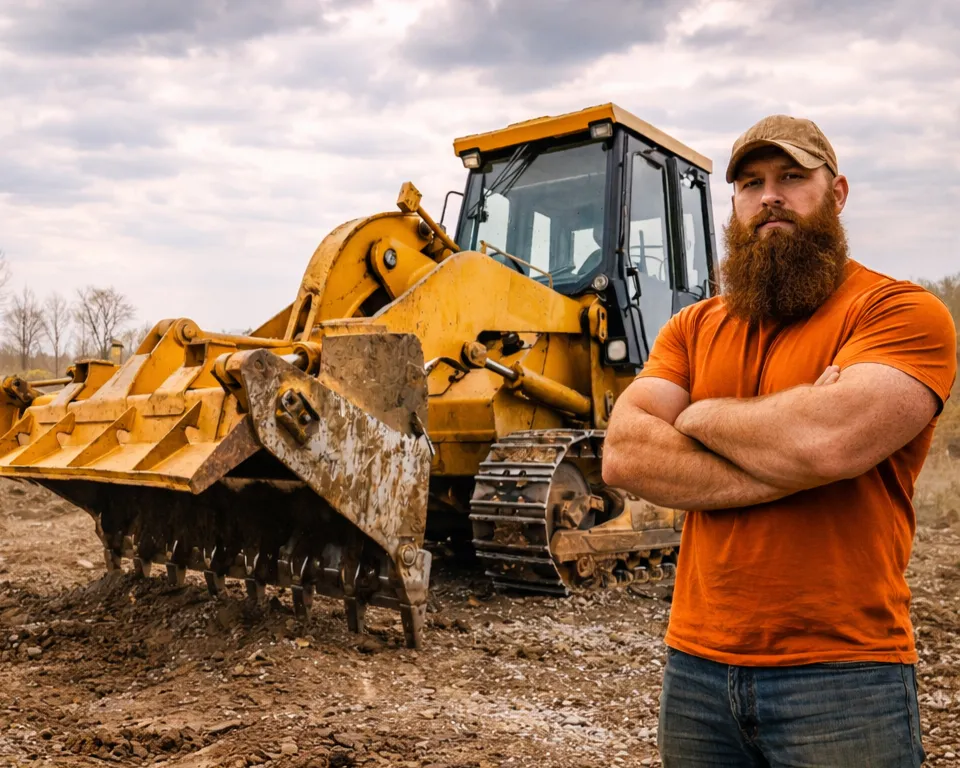
Renting the heavy machinery required for land clearing—such as bulldozers, excavators, and stump grinders—often involves navigating strict policies set by rental companies.
Many large equipment rental firms require proof of liability business insurance, business credentials, or even prior experience with the equipment. Meeting these requirements can be daunting for a private individual.
Learning Curve
Operating heavy machinery is not intuitive and can pose significant safety risks if you’re inexperienced.
Even if you’re willing to invest time in learning, mistakes can lead to costly equipment damage or personal injury.
Time and Effort
Clearing land is a time-intensive process, especially if you’re working solo or with limited help. Balancing this with other commitments can be overwhelming, especially when renting heavy machinery.
Hidden Costs
While the initial rental fees might appear cheaper than hiring a contractor, additional costs—like fuel, transport, and repairs for rental equipment—can quickly add up.
Small equipment isn’t a big hurdle for most people, and likely the best option, but if you’re renting big machinery which is absolutely required for serious land clearing jobs, you’ll need serious transportation to haul it. Which is always expensive, negating most of the cost savings of a DIY job. For instance, S3 Land Management got a quote for transporting some heavier equipment than we have and just the transportation cost was $1200. And the rental cost of that larger mulcher was another $4,000 for the week.
Hiring a Land Clearing Contractor: The Professional Advantage
Professional land clearing contractors offer expertise and efficiency that are hard to match. Here’s why hiring a contractor might be the better choice:
Expertise and Safety
Contractors have the skills and experience to operate heavy machinery safely and efficiently.
They are also trained to handle potential hazards, such as buried utilities or uneven terrain, which could complicate a DIY project.
Insurance and Liability
Reputable contractors carry liability insurance and workers' compensation, protecting you from financial risk in case of accidents.
By hiring a contractor, you bypass the insurance requirements that many equipment rental companies impose on individual renters.
Time Efficiency
With a team of professionals and access to specialized equipment, contractors can complete the job in a fraction of the time it would take you.
Cost Transparency
While hiring a contractor involves upfront costs, their estimates often include everything—labor, equipment, fuel, and disposal—providing a clear picture of your expenses.
Navigating Insurance and Business Issues
One of the most overlooked aspects of land clearing is the complexity of dealing with insurance and business requirements. If you’re considering a DIY approach, you’ll need to:
Verify Rental Company Policies: Many companies won’t rent out heavy machinery to individuals unless they meet stringent insurance requirements. This can involve purchasing short-term liability policies, which can be expensive and time-consuming.
Assess Personal Risk: Without proper insurance, you could be personally liable for any damages to the equipment, your property, or injuries incurred during the project.
When you hire a contractor, these issues are handled for you. Contractors are equipped to manage the administrative and legal requirements of the job, ensuring compliance and reducing your stress.
Which Option Is Right for You?
Ultimately, your decision will depend on your budget, experience, and the scope of the project. A DIY approach may be suitable for small-scale jobs with smaller equipment, if you’re confident in your ability to navigate the challenges. However, for larger or more complex projects, hiring a professional contractor is often the safer and more efficient choice.
By considering the factors outlined here, you’ll be better prepared to make an informed decision that saves you time, money, and headaches in the long run.
Hopefully this helps and if you need a bid or want to hire us on a day rate, please reach out and we will help you the best we can.