
Why Is Forestry Mulching So Expensive?
Forestry mulching has become an increasingly popular land management technique for clearing brush, trees, and vegetation in a sustainable and efficient manner. Whether it's for creating trails, clearing land for construction, or improving pasture land, forestry mulching offers numerous benefits. However, anyone who has hired a forestry mulching service or looked into starting their own business in this field has likely experienced some sticker shock. Why is forestry mulching so expensive? The answer lies in the significant costs associated with the equipment, maintenance, labor, and more. Let’s take a closer look at the factors that drive the high cost of forestry mulching.
1. The Cost of Specialized Equipment
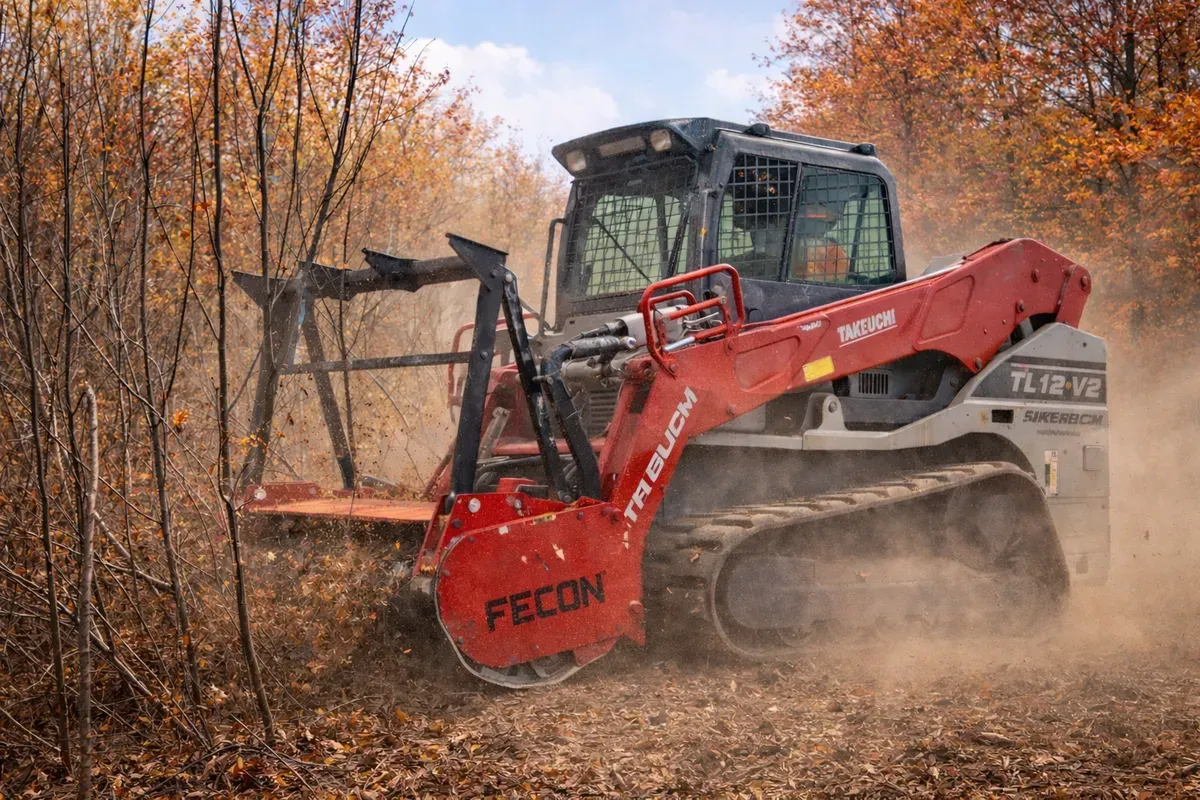
At the heart of any forestry mulching operation is the mulcher head, an incredibly powerful piece of equipment designed to shred trees and vegetation into mulch, its by far and away the fastest way to clear underbush and trees up to 8” in diameter. These attachments alone can cost anywhere from $20,000 to $50,000 or more, depending on the brand, size, and capabilities. The particular mulcher that S3 Land management uses cost $45,000. However, the mulcher head is just one component; it’s typically attached to a high-powered skid steer, compact track loader, or excavator, which can cost upwards of $60,000 to $150,000. Together, these machines represent a significant investment for any operator.
Advanced Technology
Modern mulchers and their attachments are equipped with cutting-edge technology to enhance performance and durability. Features like advanced hydraulics, reinforced steel cutting teeth, and cooling systems are essential for handling the rigors of forestry work but come with high manufacturing and maintenance costs.
Customization and Versatility
The machines used for forestry mulching often require additional customization to ensure they can handle various terrains and conditions. Things like FOPS and polycarbonate windows are an absolute must for safety. The FOPS is to protect from falling trees which fall on the machine regularly and the polycarbonate windows ensure you don’t get massive chunks of wood and rock thrown through your normal window. This versatility—being able to clear anything from thick underbrush to sizable trees—adds to the cost of both the equipment and its operation.
2. High Operating and Maintenance Costs
Forestry mulching equipment operates under extreme conditions, which means wear and tear are inevitable. Maintaining these machines is a significant ongoing expense.
Regular Maintenance
Components such as hydraulic systems, cutting teeth, belts, and bearings require constant inspection and servicing. Replacement teeth for mulcher heads such as the one we use cost $3500 for carbide teeth, which is a must have in the Ozarks, due to rocks everywhere. These teeth need to be replaced every few hundred hours of use. Additionally, engine oil, hydraulic fluid, and filters need regular changes to keep the equipment running smoothly and have to be changed more often due to the fact that mulching is so much harder on the machine than standard use. Mulching would be classified as extreme duty use, which also severely limits the life of these expensive machines.
Repairs
Forestry mulching machines often encounter harsh environments filled with rocks, stumps, and debris. This can lead to unexpected breakdowns and costly repairs. Replacing a damaged mulcher head or hydraulic pump can cost thousands of dollars.
3. Insurance Costs
Operating heavy machinery like forestry mulchers comes with significant risks. Land clearing projects often take place in unpredictable environments, increasing the chances of accidents, equipment damage, or injury. As a result, operators must carry comprehensive insurance policies, which can be quite costly.
Liability Insurance
Forestry mulching businesses typically need liability insurance to protect themselves against potential property damage or personal injury claims. Clearing land near structures, utility lines, or public areas increases the risk of liability, driving up insurance premiums.
Equipment Insurance
Given the high cost of the machinery involved, insuring the equipment itself is also necessary. Coverage protects against theft, fire, and accidental damage, but premiums can be steep given the value of the machinery.
4. Transportation Expenses
Upgraded License Requirements
Anyone driving a truck with a GVWR (Gross Vehicle Weight Rating) over 26,000 lbs, must get a CDL license. Which means anyone transporting with a truck a trailer capable of hauling a skid steer, must obtain a Class A CDL license. Which takes 4-6 weeks, at a cost of $5000-$7000 for training and then lose of pay during that time. It also requires extra expenses to maintain compliance with that license, such as commercial insurance which is usually at a minimum 2-4 times more expensive than regular insurance. And even more costly if driving something like a semi truck or dump trailer.
Truck and Trailer Costs
A reliable truck capable of towing heavy equipment can cost anywhere from $40,000 to $100,000. Add to this the cost of a specialized trailer, which can run an additional $10,000 to $20,000 or more. Together, these investments represent another major upfront cost for operators. If the operator is using a semi truck and trailer or dump truck, those costs could easily double at a minimum.
Fuel Costs
On average it costs around $100-150 per day in diesel cost per machine on the job, and then you have to add transport costs to and from the job for truck and trailer. Which usually averages around $50 per day. So just in diesel costs alone an operator has around $150-$200 per day in fuel costs.
5. Labor Costs
Operating a forestry mulcher requires specialized training and expertise. Skilled operators are essential for ensuring the job is done safely and efficiently, but their labor doesn’t come cheap. And finding laborers with mulching experience is difficult.
Hourly Rates
The hourly rates for experienced operators can vary depending on the region and complexity of the job, but they are generally higher than standard labor costs due to the specialized nature of the work. When you factor in the time required to transport equipment, prepare the site, and complete the job, labor costs can quickly escalate. Most homeowners don’t consider that the job doesn’t start when the operator arrives. Usually a 1-2 hours before arrival we are loading machines and equipment, chaining them down, and most jobs are usually an hour away. So before we even arrive, we usually have 2 hours on the clock, and then 1-2 hrs after the job site work is over for the day. Making 10-12 hour days common, when we work an 8 hour day on-site.
6. Fuel Costs
Forestry mulching equipment consumes a significant amount of fuel, especially when operating under heavy loads. Depending on the machine and the terrain, fuel consumption can range from 5 to 12 gallons per hour. With the fluctuating cost of diesel, fuel expenses can become a major portion of the overall cost of a mulching project.
7. Business Overheads
Like any business, forestry mulching operations have overhead costs beyond equipment and labor. These include:
Marketing and Advertising: Building a client base requires investment in advertising, website development, and promotional materials.
Licensing and Permits: Depending on local regulations, operators may need special permits for land clearing projects.
Administrative Costs: Managing a business involves expenses related to accounting, legal services, and office supplies.
8. Market Demand and Competition
The demand for forestry mulching services can also impact pricing. In areas where land clearing is in high demand, operators may charge a premium for their services. Conversely, in regions with more competition, prices may be slightly lower but still need to account for the substantial costs outlined above.
Is Forestry Mulching Worth the Cost?
Despite the high costs, forestry mulching offers significant value for many landowners. It’s a faster, more environmentally friendly alternative to traditional land clearing methods that involve bulldozing and burning. The resulting mulch improves soil health and prevents erosion, making it a sustainable choice for long-term land management.
For those considering hiring a forestry mulching service, understanding the factors behind the cost can help set realistic expectations. Similarly, for entrepreneurs entering the industry, being aware of these expenses is crucial for pricing services effectively and building a sustainable business.
Conclusion
Forestry mulching is an expensive service because it requires substantial investments in specialized equipment, ongoing maintenance, insurance, skilled labor, and transportation. These costs ensure that the work is done safely, efficiently, and to a high standard. While the upfront price may seem steep, the benefits of forestry mulching—from improved land usability to environmental sustainability—often outweigh the costs, making it a valuable investment for landowners and developers alike.
What most homeowners fail to realize is how insanely efficient and fast our machines are! We can clear more land in a days work than you can likely clear in several weeks. Time is money as they say, and if you tallied the same amount of hours you worked to clear your own land versus how much you make at your job, you’ll quickly realize that its more efficient to hire us and spend extra time making money at what you’re good at to pay for it. Let us handle the big stuff, and you focus on what you do best.

